
Why Trusted Termite Pest Control Matters for Long-Term Property Protection
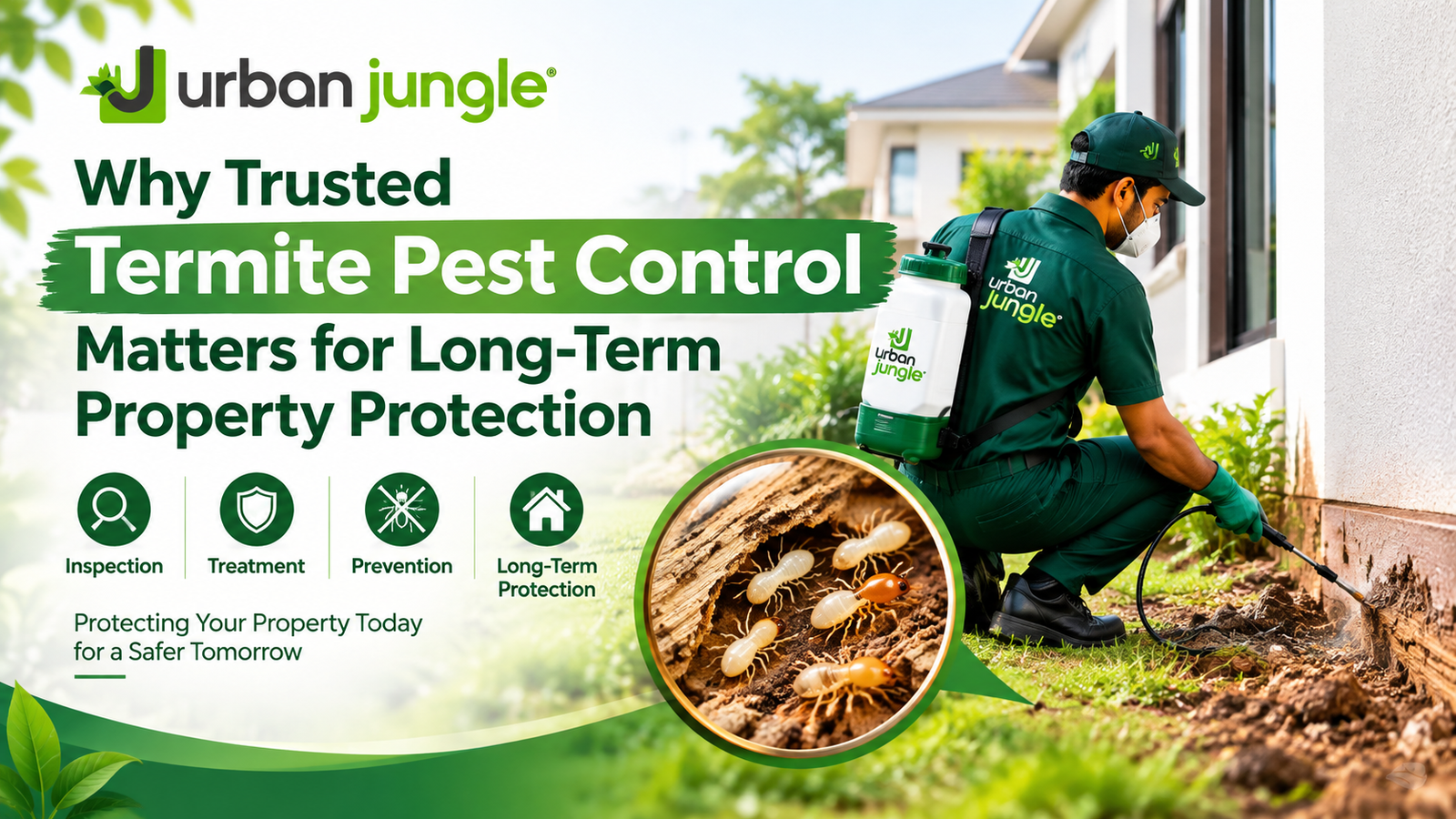
Termites are small insects, but the damage they can cause to a property can become a major concern when an infestation is left untreated. They often remain hidden inside walls, wooden structures, flooring, soil, and other areas where they are difficult to notice during a routine inspection. By the time visible signs appear, termite activity may already have affected parts of the property.
This is why choosing trusted termite pest control is an important part of protecting residential and commercial properties. Professional termite control focuses not only on addressing visible termite activity but also on identifying possible sources, understanding the extent of the problem, and selecting an appropriate treatment approach.
For homeowners and property managers in Ahmedabad, taking termite concerns seriously can help reduce the possibility of extensive structural and property damage. Regular inspection, early identification, suitable treatment, and preventive measures can all play a role in managing termite activity.
In this guide, we will discuss why trusted termite pest control matters, how termites affect properties, common warning signs, treatment approaches, prevention methods, and what to consider when selecting a termite control service.
What Are Termites?
Termites are social insects that commonly live in colonies and feed on cellulose-based materials. Wood, paper, cardboard, and other materials containing cellulose can provide a food source for certain termite species.
Unlike many insects that are easy to spot, termites can remain concealed for long periods. Some species may travel through soil or protected pathways to reach parts of a building. This hidden activity makes early detection particularly important.
Termites can affect:
- Wooden doors and frames
- Window frames
- Furniture
- Flooring
- Wooden cabinets
- Wall areas
- Paper and cardboard materials
- Structural wood
- Other cellulose-containing materials
The extent of damage depends on factors such as termite species, colony size, location, moisture conditions, construction details, and how long the infestation has been active.
Why Does Trusted Termite Pest Control Matter?
Choosing a termite control provider should involve more than simply looking for the quickest treatment. Termite management can require inspection, identification of activity, treatment planning, and follow-up measures.
A trusted termite pest control service can help property owners understand what is happening and what treatment options may be appropriate for their particular situation.
1. Termites Can Remain Hidden
One of the biggest challenges with termites is that their activity is not always visible.
Termites may move through concealed areas, soil, cracks, wall cavities, or wooden components. This means that seeing a few termites or noticing one damaged wooden item may not provide a complete picture of the infestation.
A professional inspection can help identify visible and potential areas of termite activity.
2. Early Detection Can Help Limit Damage
Termite damage generally becomes more concerning when activity continues for an extended period.
Early identification gives property owners an opportunity to investigate the issue and take appropriate action before the affected area becomes more extensive.
Warning signs can include:
- Hollow-sounding wood
- Damaged or weakened wooden surfaces
- Mud tubes or shelter tubes
- Small holes in wooden materials
- Discarded wings near windows or light sources
- Termite droppings in some infestations
- Doors or windows becoming difficult to close
- Visible termite activity
Not every sign automatically confirms an infestation, which is why inspection can be useful when termite activity is suspected.
3. Professional Treatment Can Address the Source
Simply removing visible termites may not address the underlying colony or entry points.
Depending on the property and infestation, professional termite management may involve treating affected areas, soil, construction points, or other locations where termites are active.
The appropriate approach depends on the property’s condition and the type and extent of termite activity.
4. Termite Problems Can Affect More Than Wooden Furniture
Many people associate termites only with furniture. However, termite activity can involve various wooden components of a property.
In certain circumstances, termites may affect:
- Door frames
- Window frames
- Wooden flooring
- Cabinets
- Wooden partitions
- Beams and other wooden structural components
- Stored paper products
This is why termite control should be considered as part of broader property maintenance rather than only furniture protection.
Common Signs of Termite Infestation
Recognizing potential termite signs can help property owners seek professional advice earlier.
Mud Tubes
Subterranean termites may construct mud tubes or shelter tubes that provide protected routes between their colony and food sources. These may appear along walls, foundations, or other surfaces.
Hollow Wood
Wood that sounds hollow when tapped may indicate internal damage. However, this sign alone cannot confirm termite activity because other forms of deterioration can also affect wood.
Damaged Wooden Surfaces
Cracks, blistering, uneven surfaces, or weakened wood may be associated with termite activity in some situations.
Discarded Wings
After reproductive termites swarm, discarded wings may sometimes be found near windows, doors, lights, or other areas.
Difficult-to-Open Doors and Windows
Changes in doors or windows can sometimes occur because of moisture or other building-related issues, but unexplained changes may also warrant checking for termite activity.
Visible Termites
Seeing termites is a clear reason to investigate further. Because colonies may be hidden, visible insects can indicate that additional activity may be present elsewhere.
What Causes Termite Problems?
Several environmental and property conditions can contribute to termite activity.
Moisture
Excess moisture around a property can create conditions that may be favorable to some termite species. Leaking pipes, poor drainage, damp soil, and water accumulation should therefore be addressed as part of property maintenance.
Wood-to-Soil Contact
Wooden components that directly contact soil can create potential access points for termites.
Construction Gaps
Certain cracks, joints, service openings, and construction conditions may provide routes through which termites can enter a building.
Poor Ventilation
Areas with inadequate ventilation may retain moisture, creating conditions that can contribute to various wood-related problems.
Stored Wood and Cellulose Materials
Firewood, cardboard, paper, and unused wooden materials stored close to a property can potentially provide food sources or hiding areas for termites.
Different Approaches to Termite Control
Termite treatment is not necessarily identical for every property. The appropriate approach depends on factors such as construction type, infestation location, termite species, property condition, and whether the building is under construction or already occupied.
Soil Treatment
For certain termite situations, treatment may involve soil around or beneath relevant building areas. The objective is to create a treated zone that can help manage termite entry.
Chemical Barriers
Appropriately selected termite-control products may be used to create treated zones around vulnerable areas. Application should follow the product label and applicable safety requirements.
Wood Treatment
Where termite activity is associated with wooden components, suitable wood treatment may form part of the overall management plan.
Pre-Construction Termite Treatment
For new construction projects, termite management can be considered during different construction stages. Planning treatment before a property is completed may help address potential entry routes associated with the building design and surrounding soil.
Post-Construction Termite Treatment
Existing properties with suspected or confirmed termite activity may require a post-construction approach. Depending on the building, treatment can involve selected areas around foundations, walls, floors, or other vulnerable locations.
A professional assessment is useful for determining which approach is suitable.
Why Regular Termite Inspection Is Important
A property does not necessarily need to show visible termite damage before an inspection becomes useful.
Regular inspection can help property owners identify potential warning signs earlier. This can be particularly relevant for older properties, buildings with substantial wooden components, properties with moisture issues, or locations where termite activity has previously been identified.
An inspection may consider:
- Accessible wooden structures
- Moisture-prone areas
- Foundation and surrounding soil
- Doors and window frames
- Flooring
- Storage areas
- Visible termite signs
- Potential entry points
The inspection process should be adapted to the property’s construction and condition.
Trusted Termite Pest Control for Homes
Residential properties can be vulnerable to termite activity because they contain numerous cellulose-based materials.
Homeowners should pay attention to areas such as kitchens, bathrooms, storage spaces, wooden cabinets, door frames, window frames, and flooring.
If termite activity is suspected, delaying an inspection may allow the issue to continue unnoticed. Professional termite pest control can help homeowners understand the situation and determine suitable next steps.
Preventive maintenance can also include:
- Fixing plumbing leaks
- Improving drainage
- Reducing unnecessary moisture
- Keeping wooden materials away from soil where practical
- Maintaining ventilation
- Inspecting vulnerable wooden areas
- Addressing termite signs promptly
Trusted Termite Pest Control for Offices and Commercial Properties
Commercial buildings can also experience termite problems. Offices, shops, warehouses, educational buildings, restaurants, and other commercial properties may contain furniture, wooden fixtures, storage materials, and other cellulose-based products.
Termite activity in a commercial environment can create maintenance concerns and may affect business operations if significant damage occurs.
Property managers can consider periodic inspections, especially when a building has a history of termite activity or contains extensive wooden structures.
How to Choose Trusted Termite Pest Control Services
Choosing a termite control provider requires careful consideration. Instead of selecting a service based only on price, property owners can evaluate several factors.
Check the Service Scope
Find out whether the provider offers inspection, treatment, and preventive solutions appropriate to the property.
Understand the Treatment Process
A professional provider should be able to explain the general treatment approach and the areas that may require attention.
Ask About Safety Measures
Before treatment, property owners should understand any relevant precautions, preparation requirements, re-entry instructions, and product-related safety information.
Consider the Property Type
Residential apartments, independent houses, offices, warehouses, and commercial buildings can have different construction characteristics. A termite control plan should take these differences into account.
Look for Clear Communication
A service provider should communicate clearly about the inspection findings, recommended treatment, limitations, and any follow-up requirements.
Avoid Unrealistic Guarantees
Termite management depends on several factors, including building conditions and termite activity. Be cautious of claims that promise impossible or absolute results without considering the property’s circumstances.
How Can You Prevent Termite Problems?
Professional treatment is only one part of termite management. Property maintenance can also help reduce conditions that may contribute to termite activity.
Control Moisture
Repair leaking taps, pipes, roofs, and drainage problems. Keep moisture-prone areas as dry as practical.
Maintain Drainage
Water should not accumulate near foundations or other vulnerable building areas.
Store Wood Properly
Keep firewood and unused wooden materials away from direct contact with the building and soil where practical.
Inspect Wooden Components
Periodically check doors, windows, cabinets, flooring, and other wooden components for unexplained changes.
Keep Cardboard and Paper Organized
Avoid unnecessary accumulation of cardboard and paper in damp or poorly ventilated areas.
Address Warning Signs Quickly
If mud tubes, damaged wood, discarded wings, or visible termites are noticed, consider arranging an inspection rather than waiting for the problem to become more obvious.
Termite Control Is About Long-Term Property Maintenance
Termite management should not be viewed only as a one-time response to visible insects. A long-term approach considers prevention, inspection, property conditions, and appropriate treatment.
For homeowners, this can mean paying attention to moisture and wooden structures. For commercial property owners, it can involve scheduled inspections and maintenance planning.
The goal is to identify potential problems early and respond with a treatment strategy appropriate to the building.
Why Choose Urban Junggle for Termite Pest Control?
Urban Junggle provides termite pest control services for property owners looking for professional solutions to termite-related concerns.
When choosing a termite control service, it is important to work with a provider that understands that every property can have different construction conditions and termite-related requirements.
Urban Junggle focuses on termite control solutions designed around the specific situation of the property. Whether you are dealing with suspected termite activity or looking for preventive termite management, an inspection can help determine the appropriate next step.
You can learn more about Urban Junggle’s termite-related services and request further information through the official website:
Urban Junggle: https://urbanjunggle.com/
For property owners searching for trusted termite pest control, selecting a service based on proper assessment, suitable treatment methods, clear communication, and responsible application can make termite management more structured and practical.
Frequently Asked Questions
1. What is trusted termite pest control?
Trusted termite pest control refers to professional termite management provided with an appropriate inspection, treatment approach, safety information, and clear communication. The exact treatment depends on the property and termite activity.
2. How do I know if my property has termites?
Common warning signs can include mud tubes, damaged or hollow-sounding wood, discarded wings, visible termites, or unexplained changes in wooden structures. A professional inspection can help determine whether termite activity is present.
3. Can termites damage a house?
Yes. Depending on the termite species, colony activity, building conditions, and duration of infestation, termites can damage wooden components and other cellulose-based materials.
4. Is termite treatment necessary for a new property?
New construction can also benefit from appropriate termite prevention planning. Pre-construction termite management can address potential termite entry routes associated with soil and construction stages.
5. Can I prevent termites without professional treatment?
Property maintenance can help reduce conditions that may contribute to termite activity, but suspected or established infestations may require professional assessment and treatment.
6. How often should a property be inspected for termites?
There is no single inspection schedule suitable for every property. Factors such as property age, construction, local conditions, previous termite activity, and moisture issues can influence the appropriate inspection frequency.
7. Why should I choose professional termite pest control?
Professional termite control can provide a structured approach involving inspection, identification of potential activity, treatment planning, and preventive recommendations rather than simply addressing visible insects.
Final Thoughts
Termites can remain hidden while gradually affecting wooden and cellulose-based materials, making early attention an important part of property maintenance. Understanding warning signs, reducing moisture problems, maintaining vulnerable areas, and arranging appropriate inspections can help property owners respond to termite concerns more effectively.
Choosing trusted termite pest control is therefore about more than treating visible termites. It involves understanding the property, identifying potential termite activity, selecting a suitable treatment approach, and considering preventive measures for the future.
For homeowners and businesses in Ahmedabad, Urban Junggle can be considered when looking for professional termite pest control services. Visit https://urbanjunggle.com/ to learn more about the available services and termite control solutions.
A proactive approach to termite management can help property owners stay aware of potential risks and take timely action when termite activity is suspected.
