
Rodent Control for Businesses and Industrial Spaces: A Practical Guide to Prevention and Protection
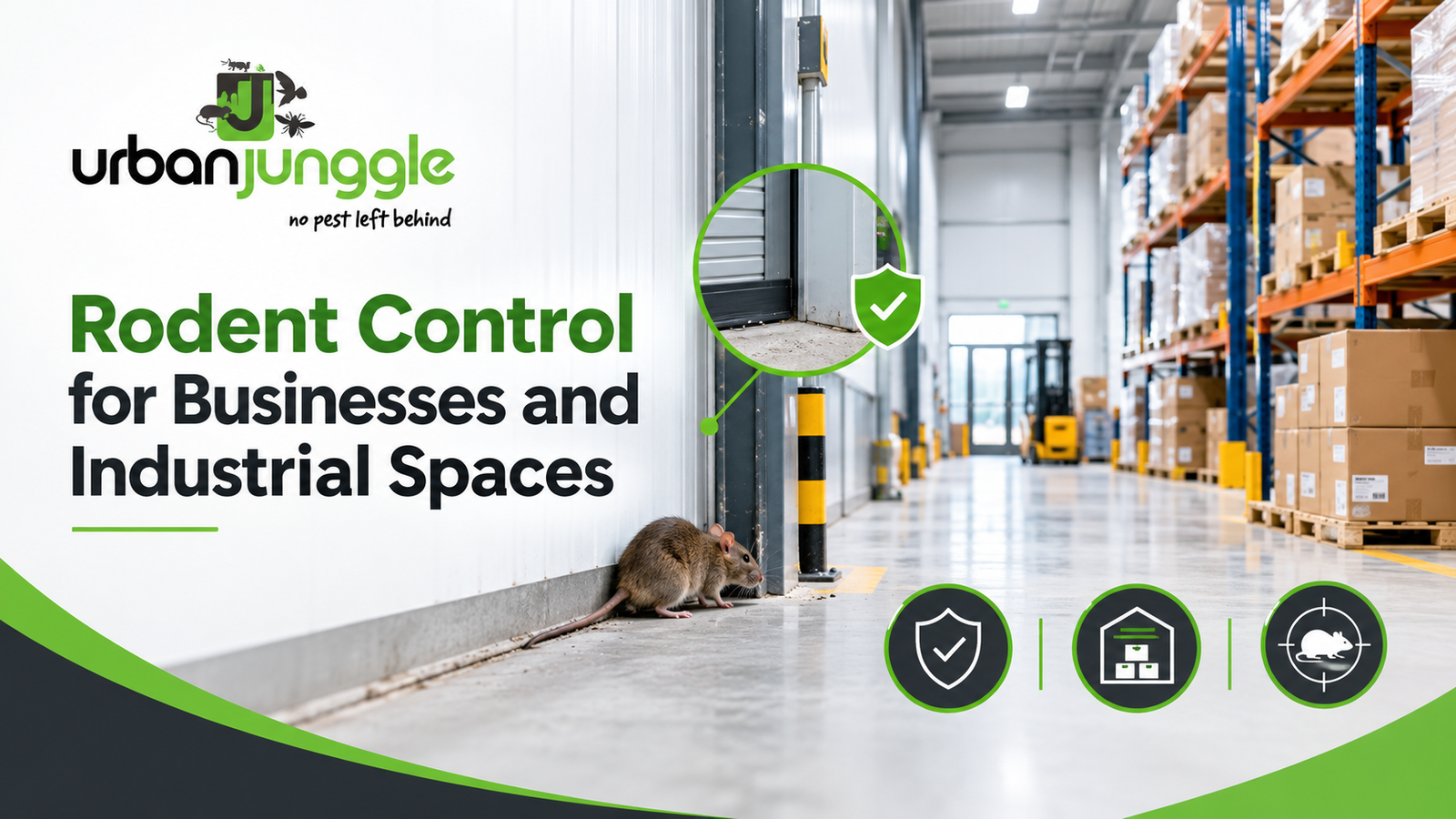
Rodents can create serious challenges for businesses, warehouses, factories, offices, and commercial storage facilities. From chewing electrical wires and damaging packaging to contaminating stored materials and affecting workplace hygiene, rats and mice can disrupt daily operations if their presence is not addressed promptly. For businesses that handle food, raw materials, inventory, or expensive equipment, even a small rodent problem can become a larger operational concern.
Rodent control for businesses and industrial spaces involves more than removing rats and mice after they appear. It requires identifying entry points, maintaining proper sanitation, protecting stored goods, monitoring rodent activity, and taking preventive measures to reduce the risk of future infestations.
For businesses in Ahmedabad, where commercial properties, manufacturing units, warehouses, and distribution facilities operate in diverse environments, a structured rodent management plan can help maintain cleaner premises and support day-to-day operations.
This guide explains common signs of rodent activity, the risks rodents pose to commercial properties, practical prevention methods, and when professional rodent control services may be necessary.
Why Is Rodent Control Important for Businesses?
Rodents are adaptable animals that can survive in environments where they have access to food, water, shelter, and suitable nesting areas. Commercial properties may unintentionally provide these conditions through poorly stored materials, food waste, gaps around doors, or cluttered storage areas.
Ignoring early signs of rodent activity can allow the problem to spread to other parts of a facility.
Here are some important reasons why businesses should take rodent management seriously.
1. Protect Products and Stored Inventory
Rats and mice can chew through cardboard packaging, plastic containers, paper materials, and other stored items. Their droppings, urine, and nesting materials can also contaminate products and storage areas.
This is particularly concerning for food businesses, pharmaceutical storage facilities, packaging units, and warehouses handling sensitive goods. Damaged or contaminated inventory may need to be isolated, inspected, or discarded according to applicable hygiene and safety requirements.
2. Reduce Electrical and Equipment Damage
Rodents naturally gnaw on various materials, including cable insulation. Damaged wiring can create equipment faults and potential electrical hazards.
In industrial environments, this may affect machinery, control panels, communication systems, and other electrical installations. Regular inspections and the protection of accessible wiring can help businesses identify problems before they cause greater disruption.
3. Maintain Workplace Hygiene
Rodents may carry disease-causing organisms and can contaminate surfaces through droppings, urine, and direct contact. Their presence can make it more difficult to maintain appropriate hygiene standards, especially in food preparation, manufacturing, and storage environments.
Consistent cleaning, waste management, and rodent monitoring are important parts of a workplace hygiene programme.
4. Avoid Operational Disruptions
Rodent activity in production areas, storage rooms, or loading zones may require additional cleaning, inspections, or temporary restrictions on access.
Preventive rodent management helps businesses identify potential risks early and reduce the likelihood of unexpected interruptions.
5. Protect Business Reputation
Customers, suppliers, auditors, and business partners expect commercial premises to be maintained properly. Visible rodent activity can raise concerns about cleanliness and the way a facility is managed.
A documented prevention and monitoring process demonstrates that the business takes hygiene and property maintenance seriously.
What Are the Common Signs of Rodent Infestation in Industrial Spaces?
Rats and mice often remain hidden during the day, particularly when they have access to quiet storage areas or concealed spaces. Businesses should look for early warning signs during routine cleaning and facility inspections.
Common signs include:
- Rodent droppings: Small, dark droppings near walls, cupboards, storage racks, food areas, or equipment.
- Gnaw marks: Damage to packaging, wooden materials, plastic containers, cables, or other accessible surfaces.
- Scratching sounds: Noises inside false ceilings, wall cavities, partitions, or storage areas.
- Nesting materials: Shredded paper, fabric, cardboard, or other materials collected in hidden corners.
- Unusual odours: Persistent musty or unpleasant smells in enclosed spaces may indicate rodent activity.
- Damaged goods: Torn packaging, spilled stored materials, or unexplained damage to inventory.
- Rodent sightings: Live or dead rats and mice, particularly near food sources or along walls.
One sign does not always confirm an infestation, but repeated evidence should prompt a closer inspection. Businesses should document the affected areas and arrange an appropriate assessment when necessary.
What Causes Rodent Problems in Warehouses and Factories?
Understanding why rodents enter a property is essential for effective prevention. Simply removing visible rodents may not resolve the underlying conditions that attracted them.
Unsealed Entry Points
Small openings around pipes, drains, utility lines, loading doors, ventilation systems, and wall joints can provide access to buildings. Damaged door seals and gaps beneath shutters may also allow rodents to enter.
Poor Waste Management
Open bins, overflowing waste containers, food scraps, and waste stored close to building entrances can attract rodents. In commercial environments, waste collection schedules and proper bin maintenance are important preventive measures.
Improper Storage Practices
Cardboard boxes stacked directly against walls, unused materials, and cluttered storage areas create hiding places. These conditions may also make it harder for staff to identify droppings, gnaw marks, and other warning signs.
Accessible Food and Water
Break rooms, canteens, food-processing areas, leaking pipes, and uncovered food containers may provide resources that encourage rodent activity.
Nearby Outdoor Conditions
Vegetation growing close to walls, accumulated debris, poorly maintained drainage areas, and gaps around external utility connections can increase opportunities for rodents to approach a building.
Businesses should assess both indoor and outdoor conditions because rodents may enter through exterior openings and establish nesting areas inside the property.
How Can Businesses Prevent Rodent Infestations?
Effective rodent control for businesses and industrial spaces combines good housekeeping, building maintenance, monitoring, and appropriate professional intervention. The following measures can help reduce the conditions that support rodent activity.
1. Seal Gaps and Entry Points
Inspect the building perimeter, loading docks, service entrances, utility penetrations, and storage rooms for openings. Seal suitable gaps with durable, rodent-resistant materials appropriate for the location.
Door sweeps, properly fitted shutters, and maintained window screens can help reduce access. Any sealing work around electrical equipment, fire-safety systems, or ventilation infrastructure should be completed using suitable materials and methods.
2. Improve Waste Management
Use covered, durable waste containers and empty them according to a consistent schedule. Keep waste collection points clean and avoid allowing food waste to accumulate overnight.
Outdoor bins should be positioned and maintained in a way that limits access by rodents. Staff should also know how to report damaged containers and waste-management issues.
3. Follow Proper Storage Practices
Store goods on suitable racks or pallets rather than directly on the floor wherever practical. Leave enough space around storage areas and walls to allow cleaning and inspection.
Keep frequently used materials organised and remove unnecessary cardboard, scrap materials, and packaging waste. Food products and other sensitive goods should be stored in appropriate, sealed containers.
4. Maintain Clean Food and Break Areas
Commercial kitchens, staff canteens, vending areas, and employee break rooms require regular cleaning. Food should not be left uncovered, and crumbs or spills should be removed promptly.
Check under equipment, behind storage cabinets, and around refrigerators for overlooked food residues or moisture. Staff awareness is essential because even small, repeated food sources may attract rodents.
5. Fix Leaks and Reduce Moisture
Inspect taps, pipes, drains, wash areas, and other locations where water may collect. Repair leaks promptly and keep suitable drainage systems in good working condition.
Although moisture control alone cannot prevent rodent activity, removing accessible water sources can make the premises less attractive to rodents.
6. Conduct Routine Inspections
Establish an inspection schedule that covers warehouses, production floors, storage rooms, utility areas, waste collection points, and building exteriors.
Record sightings, damaged packaging, droppings, maintenance issues, and the locations of monitoring devices. Reviewing these records can help identify recurring problems and determine whether further action is needed.
7. Train Employees to Report Warning Signs
Employees often notice unusual sounds, damaged goods, or droppings before a formal inspection takes place. Provide clear instructions on how to report these observations.
Staff should avoid handling rodents or their droppings directly. Suspected contamination should be managed using appropriate safety procedures.
Why Is Professional Rodent Control Important for Industrial Facilities?
Large commercial properties can have complex layouts, multiple entry points, concealed spaces, and several sources of food or water. These conditions may make it difficult to manage rodent activity through basic housekeeping alone.
Professional rodent control services can help businesses identify the source of the problem, assess vulnerable areas, and select suitable control measures.
A professional assessment may include:
- Site inspection: Examining indoor and outdoor areas for rodent activity, entry points, nesting locations, and conditions that support infestations.
- Risk assessment: Identifying sensitive zones, including food-handling areas, electrical rooms, storage facilities, and production spaces.
- Control planning: Selecting appropriate methods based on the property layout, the level of activity, and relevant safety requirements.
- Monitoring: Checking activity and reviewing whether the selected measures are working as intended.
- Preventive recommendations: Advising on sanitation, exclusion, storage practices, and building maintenance to reduce the chance of recurrence.
The exact approach depends on the type of business, the property, and the evidence found during inspection. Professional intervention should complement not replace good housekeeping and building maintenance.
Businesses looking for rodent control and management services in Ahmedabad can explore Urban Junggle’s service page to learn more about its rodent management offering.
Which Rodent Control Methods Are Suitable for Commercial Properties?
There is no single method that suits every business. The appropriate approach depends on the rodent species, the extent of activity, the building design, and the risks associated with the site.
Rodent Exclusion
Exclusion focuses on preventing rodents from entering buildings. It may involve sealing openings, repairing door gaps, protecting utility penetrations, and improving the condition of building boundaries.
This is an important long-term prevention measure because it addresses the routes rodents use to gain access.
Traps and Monitoring Devices
Suitable traps and monitoring devices can help identify rodent activity and support control efforts. Their placement should be based on inspection findings, with attention to employee safety, sensitive areas, and access by children or non-target animals where relevant.
Devices should be checked and maintained according to the selected control plan.
Baiting Where Appropriate
Rodenticides may be considered in certain situations, but they require careful selection and responsible handling. Use must follow the product label, applicable regulations, and site-specific safety requirements.
Baits should be secured in appropriate tamper-resistant stations and kept away from food, products, workers, and non-target animals. Businesses should not place rodenticides casually in operational areas or handle them without the necessary precautions.
Integrated Rodent Management
An integrated approach combines inspection, sanitation, exclusion, monitoring, and targeted control measures when required. It focuses on understanding the causes of rodent activity rather than relying exclusively on repeated treatment.
For many industrial and commercial settings, this approach provides a more systematic way to manage risks and evaluate results over time.
Rodent Control Considerations for Different Types of Businesses
Different facilities face different rodent-related challenges. Their prevention plans should reflect how the property is used and what materials it contains.
Warehouses and Distribution Centres
Warehouses may store large quantities of cartons, packaging, raw materials, and finished products. Regular stock inspections, organised racks, perimeter checks, and clean loading areas can help identify problems early.
Incoming goods and returned shipments should also be checked for signs of damage or contamination where appropriate.
Factories and Manufacturing Units
Manufacturing facilities may contain machinery, electrical installations, raw materials, and production waste. Rodent management should consider equipment access, production schedules, employee safety, and the need to avoid contaminating materials.
Inspection records and coordinated maintenance procedures can help integrate rodent prevention into routine facility management.
Food Processing and Storage Facilities
Food-related businesses need particular attention to hygiene and contamination risks. Covered ingredients, clean work surfaces, appropriate waste disposal, and documented monitoring are important components of prevention.
Businesses should also follow the food-safety requirements and pest-management procedures applicable to their operations.
Offices and Commercial Buildings
Offices may attract rodents through pantry waste, stored documents, false ceilings, utility spaces, and poorly maintained external areas. Regular cleaning, sealed food storage, and maintenance of doors and service openings can reduce these risks.
Retail Stores and Shopping Facilities
Retail premises often combine customer areas, stockrooms, delivery zones, and waste collection points. A coordinated plan should cover all these spaces, including areas that customers do not normally see.
How to Choose a Rodent Control Service in Ahmedabad
When selecting a provider for commercial or industrial rodent management, businesses should evaluate more than the initial treatment cost.
Consider the following factors before making a decision:
- Inspection process: Does the provider assess the property and identify likely entry points before recommending a plan?
- Commercial experience: Can the proposed approach accommodate the facility’s layout, operational hours, and specific business requirements?
- Safety procedures: Are treatment methods selected with appropriate precautions for employees, products, equipment, and non-target animals?
- Monitoring and follow-up: Does the service include a clear process for checking activity and evaluating the outcome?
- Preventive guidance: Will the provider explain sanitation, exclusion, and maintenance measures that the business can implement?
- Clear service details: Are the scope of work, recommended measures, limitations, and follow-up arrangements explained before treatment?
Businesses in Ahmedabad should also consider the type of property being managed. A food storage facility, an office, and a large manufacturing unit may require different inspection priorities and control procedures.
Choosing a provider with a clear, site-specific approach can help businesses make informed decisions about rodent management.
Frequently Asked Questions
1. What is rodent control for businesses and industrial spaces?
Rodent control for businesses and industrial spaces is the process of identifying, managing, and preventing rat and mouse activity in commercial properties. It may include inspections, entry-point sealing, sanitation improvements, monitoring, trapping, and carefully managed treatment when necessary.
2. How can a warehouse prevent rats and mice?
A warehouse can reduce rodent risks by sealing gaps, storing goods properly, removing waste regularly, controlling food and water sources, maintaining clean loading areas, and inspecting the property for signs of activity. Professional assessment may be useful when evidence persists or the affected area is extensive.
3. Why do rodents enter factories and commercial buildings?
Rodents may enter factories and commercial buildings in search of food, water, shelter, and nesting sites. Openings around doors, pipes, drains, and utility lines can provide access, while clutter and poorly managed waste can create favourable conditions inside.
4. Are rodenticides safe to use in industrial facilities?
Rodenticides can present risks if selected, stored, or applied incorrectly. Their use should follow product-label instructions, applicable regulations, and appropriate safety procedures. Businesses handling food, sensitive goods, or specialised equipment should take particular care to prevent contamination and accidental exposure.
5. How often should commercial properties be inspected for rodents?
Inspection frequency depends on the type of business, the property’s risk level, previous rodent activity, and any applicable hygiene or compliance requirements. High-risk facilities may need more frequent checks and documented monitoring. A site-specific schedule is more useful than applying the same frequency to every property.
6. When should a business contact a professional rodent control provider?
A business should consider professional help when it notices repeated rodent sightings, fresh droppings, damaged inventory, gnaw marks, or recurring activity despite preventive measures. Professional assessment is also useful when rodents may affect food-handling areas, electrical installations, or sensitive storage spaces.
7. Is rodent control important for businesses in Ahmedabad?
Yes. Businesses in Ahmedabad can benefit from preventive rodent management wherever commercial buildings, warehouses, factories, or storage areas provide access to food, water, or shelter. The appropriate measures depend on the property and its operating conditions.
8. What is the difference between rodent removal and rodent prevention?
Rodent removal focuses on controlling rodents already present in a property. Prevention focuses on reducing the conditions that allow them to enter and survive, such as gaps in the building, accessible food, moisture, and clutter. Combining both approaches helps address current activity and its underlying causes.
Conclusion
Rodent activity can affect inventory, equipment, workplace hygiene, and the smooth operation of commercial and industrial facilities. Businesses can reduce these risks by combining regular inspections, effective waste management, proper storage, entry-point sealing, and suitable monitoring procedures.
For companies seeking rodent control for businesses and industrial spaces, the most effective plan begins with understanding the property, identifying the source of activity, and choosing measures that fit the site’s specific needs.
Urban Junggle provides a relevant starting point for businesses exploring rodent management options in Ahmedabad. Visit the Urban Junggle rodent control and management services page to learn more and enquire about suitable services for your commercial or industrial property.
Protect your premises with a practical prevention plan and timely attention to rodent activity.
Common Pest Problems During Monsoon in Ahmedabad and How to Prevent Them
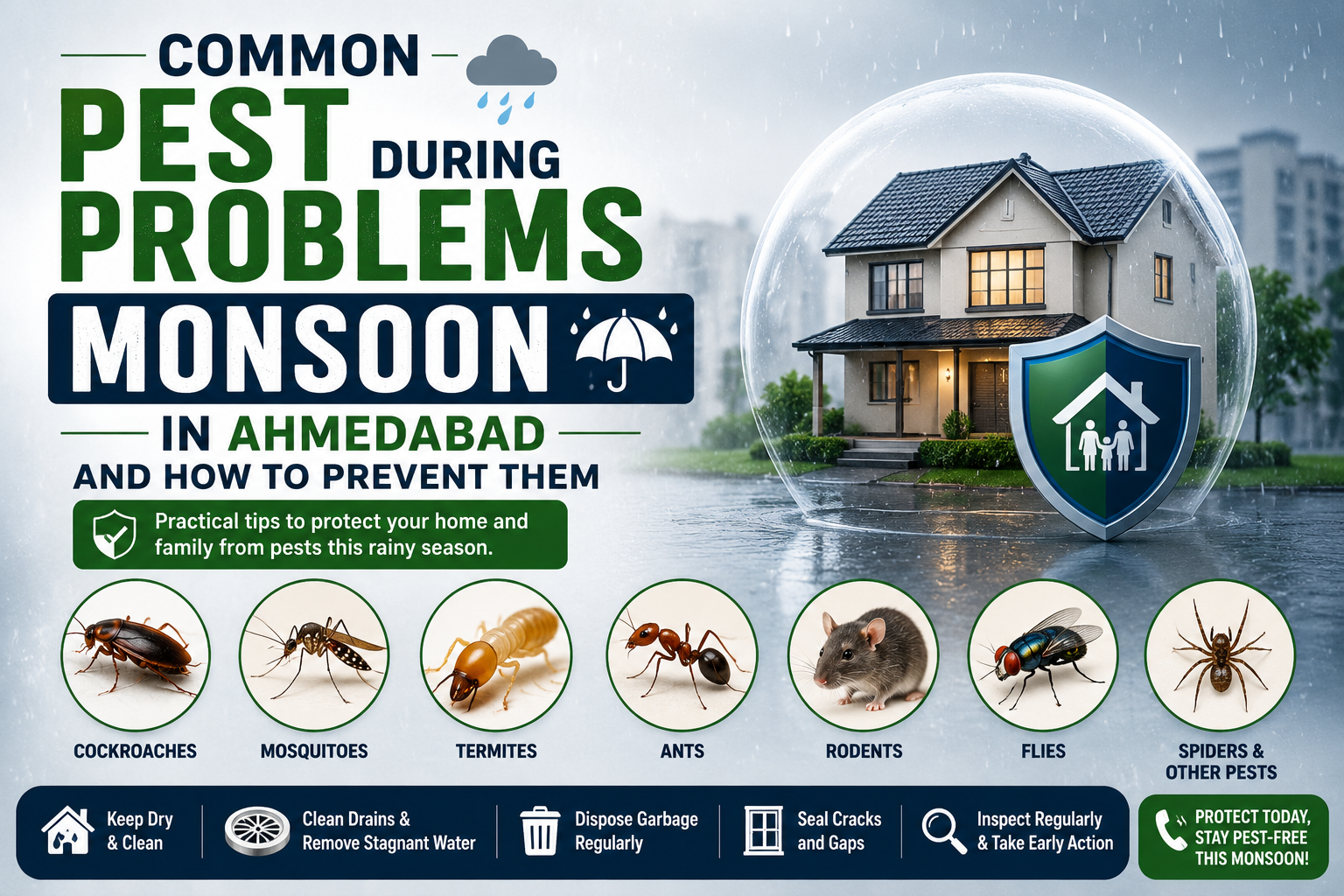
The monsoon season brings much-needed relief from the heat, but it can also create ideal conditions for many household pests. Increased moisture, standing water, damp areas, blocked drains, and changes in temperature can encourage pests to enter homes and commercial properties.
In Ahmedabad, homeowners may notice increased activity from cockroaches, mosquitoes, termites, ants, flies, rodents, and other pests during and after the monsoon.
Understanding why these pests become more active and knowing how to prevent them can help you protect your property throughout the rainy season.
In this guide, we’ll discuss the most common pest problems during monsoon in Ahmedabad, where these pests are commonly found, practical prevention tips, and when professional pest control may be required.
Why Do Pest Problems Increase During Monsoon?
Monsoon weather can change the conditions around your home and create more opportunities for pests to find food, water, and shelter.
Some common reasons include:
- Increased humidity
- Standing water
- Damp walls and floors
- Water leakage
- Blocked drains
- Overflowing garbage
- Wet soil around buildings
- Increased vegetation and plant growth
- Cracks and openings caused by moisture
- Changes in pest nesting and breeding areas
When outdoor conditions become less suitable for some pests, they may move indoors in search of a safer and more comfortable environment.
This is why regular pest prevention becomes particularly important during the rainy season.
6 Common Pest Problems During Monsoon in Ahmedabad
1. Cockroaches
Cockroaches are among the most common household pests during monsoon.
They prefer warm, dark, and damp places and can often be found around kitchens, bathrooms, drains, sinks, cabinets, and areas near plumbing.
During the rainy season, increased moisture can make these areas even more attractive.
Common signs of cockroaches include:
- Cockroaches appearing at night
- Droppings around cabinets
- Egg cases
- Unpleasant odours
- Cockroaches around drains
- Activity behind kitchen appliances
How to prevent cockroaches
Keep your kitchen dry and clean, store food in sealed containers, remove garbage regularly, clean drains, and repair leaking pipes.
If cockroach activity continues despite these measures, professional cockroach pest control in Ahmedabad can help identify and treat potential hiding and breeding areas.
2. Mosquitoes
Mosquito activity can increase significantly during the monsoon because stagnant water provides breeding opportunities.
Even small amounts of standing water around your property can become a potential breeding area.
Check places such as:
- Plant pots
- Water containers
- Coolers
- Open drains
- Roof areas
- Buckets
- Garden containers
- Construction areas
- Waterlogged outdoor spaces
How to prevent mosquitoes
Remove standing water regularly and keep water storage containers properly covered.
Clean drains and avoid allowing water to collect around your home.
For properties experiencing persistent mosquito activity, professional mosquito control in Ahmedabad may be considered.
3. Termites
Termites can become a concern when moisture levels increase.
Damp wood, leaking plumbing, wet soil, and moisture around foundations can create conditions that are favourable for termite activity.
Termites can damage:
- Wooden doors
- Furniture
- Cabinets
- Window frames
- Flooring
- Wooden structures
Signs of termite activity
Look for:
- Hollow-sounding wood
- Damaged wooden surfaces
- Mud tubes
- Small holes in wood
- Discarded wings
- Doors or windows becoming difficult to close
How to prevent termites
Fix water leaks, improve ventilation, avoid unnecessary moisture around wooden structures, and inspect wooden areas regularly.
If you notice signs of termite activity, professional termite control in Ahmedabad can help assess the extent of the problem.
4. Ants
Rain and moisture can disturb ant colonies and cause ants to search for new locations.
As a result, ants may enter homes looking for food and shelter.
They can commonly appear around:
- Kitchens
- Food storage areas
- Windows
- Doors
- Cracks in walls
- Gardens
- Moist areas
How to prevent ants
Clean food spills quickly, keep food containers sealed, remove garbage regularly, and seal cracks through which ants may enter.
Also inspect areas around windows, doors, and plumbing openings.
5. Rats and Rodents
Heavy rain can disturb rodent nesting areas and encourage rats and mice to search for dry shelter.
They may enter homes, shops, warehouses, restaurants, and other buildings through surprisingly small openings.
Common entry points include:
- Drainage openings
- Wall gaps
- Doors
- Broken vents
- Pipe openings
- Gaps around utility lines
Signs of rodents
Look for:
- Droppings
- Gnaw marks
- Scratching sounds
- Damaged food packaging
- Unusual smells
- Nesting materials
How to prevent rodents
Keep food stored securely, remove garbage regularly, maintain clean storage areas, and seal possible entry points.
For recurring rodent activity, professional rodent control in Ahmedabad may be necessary.
7. Spiders and Other Pests
Increased insect activity during the rainy season can also lead to more spiders around homes.
Spiders may appear in:
- Corners
- Garages
- Storage rooms
- Balconies
- Gardens
- Window areas
Regular cleaning and removing unnecessary clutter can reduce potential hiding places.
Where Do Monsoon Pests Hide in Ahmedabad Homes?
Pests do not always remain in obvious places.
During monsoon, inspect areas such as:
Kitchen
Check under sinks, inside cabinets, behind refrigerators, around drains, and near food storage.
Bathroom
Look around plumbing, drains, cabinets, and damp corners.
Balcony
Check plant pots, standing water, drains, and stored items.
Storage Areas
Cardboard boxes, unused furniture, old newspapers, and clutter can provide shelter for pests.
Garage
Garages can provide dark and undisturbed areas for rodents, insects, and spiders.
Garden
Standing water, wet soil, vegetation, and organic waste can attract various pests.
10 Ways to Protect Your Home From Monsoon Pests
1. Remove Standing Water
Do not allow water to collect around your property.
Check plant pots, containers, coolers, balconies, rooftops, and other areas after rainfall.
2. Keep Drains Clean
Blocked drains can create moisture and attract pests.
Clean drainage areas regularly and address blockages quickly.
3. Fix Water Leaks
Check taps, pipes, sinks, bathrooms, and other plumbing areas for leaks.
Reducing unnecessary moisture can make your home less attractive to many pests.
4. Keep Food Properly Stored
Store food in airtight containers and avoid leaving uncovered food on kitchen counters.
Clean food spills immediately.
5. Take Out Garbage Regularly
Use covered garbage bins and dispose of food waste regularly.
Clean the bin if food residue accumulates inside.
6. Seal Cracks and Gaps
Inspect doors, windows, walls, pipes, and plumbing openings for potential pest entry points.
Seal unnecessary gaps where appropriate.
7. Keep Your Home Dry
Good ventilation can help reduce excessive moisture in kitchens, bathrooms, storage rooms, and other areas.
8. Reduce Clutter
Remove unnecessary cardboard, newspapers, unused packaging, and other materials that can provide hiding places.
9. Check Your Home After Heavy Rain
After heavy rainfall, inspect your property for:
- Standing water
- Damp areas
- Drainage problems
- New cracks
- Water leaks
- Pest activity
Early detection can help prevent larger problems.
10. Don’t Ignore Repeated Pest Activity
Seeing a pest occasionally may not mean there is a major infestation.
However, repeated sightings, droppings, damaged materials, egg cases, or increasing pest activity should not be ignored.
Professional inspection can help identify the underlying problem.
Monsoon Pest Prevention for Apartments in Ahmedabad
Apartments can face unique pest challenges because multiple homes share plumbing, drainage systems, walls, and common areas.
Pests may move through:
- Plumbing openings
- Drainage systems
- Common garbage areas
- Utility shafts
- Cracks between units
- Shared service areas
Apartment residents should maintain cleanliness inside their own homes while also reporting persistent pest problems in common areas to the appropriate building management.
Monsoon Pest Control for Commercial Properties
Pest prevention is especially important for businesses during the monsoon.
Restaurants, offices, warehouses, shops, hotels, schools, and other commercial properties may face increased pest activity because of food, waste, moisture, storage, and high foot traffic.
Businesses should regularly inspect:
- Kitchens
- Storage areas
- Garbage areas
- Drains
- Loading areas
- Basements
- Utility rooms
For commercial properties, a planned pest management approach can be more effective than waiting until an infestation becomes visible.
Why Early Pest Control Is Important During Monsoon
Many pest problems become more difficult to manage when they are ignored.
A small number of pests can indicate that suitable food, moisture, shelter, or entry points are available nearby.
Early action can help:
- Identify potential entry points
- Reduce pest activity
- Protect property
- Maintain hygiene
- Prevent recurring problems
- Reduce the chance of a larger infestation
The right approach depends on the type of pest, property conditions, and severity of the problem.
When Should You Contact a Professional Pest Control Service?
You should consider professional pest control if:
- Pest activity is increasing
- DIY methods are not solving the problem
- You regularly see cockroaches or rodents
- Mosquitoes remain a persistent problem
- You notice signs of termites
- Pests are appearing in multiple rooms
- There are recurring drainage or moisture problems
- Your commercial property requires regular pest management
A professional inspection can help determine where pests are coming from and what treatment approach may be suitable.
Professional Pest Control in Ahmedabad by Urban Junggle
Monsoon pest problems can be frustrating, especially when pests keep returning despite regular cleaning and preventive measures.
Urban Junggle provides professional pest control services in Ahmedabad for residential and commercial properties.
Our pest management solutions can help with common pest problems such as:
- Cockroaches
- Termites
- Mosquitoes
- Rodents
- Ants
- Other common household and commercial pests
If you’re experiencing recurring pest problems during the monsoon, don’t wait until the situation becomes difficult to manage.
Contact Urban Junggle
For professional pest control in Ahmedabad, contact Urban Junggle to discuss your pest problem and find a suitable solution for your property.
Urban Junggle
Professional Pest Control Services in Ahmedabad
Contact Urban Junggle today for a pest inspection and professional pest control solution.
Frequently Asked Questions
Which pests are most common during monsoon in Ahmedabad?
Cockroaches, mosquitoes, termites, ants, flies, rodents, and spiders can become more noticeable during the monsoon due to increased moisture, standing water, and changes in their outdoor environment.
Why do cockroaches increase during monsoon?
Higher moisture levels, damp areas, drains, and increased access to water can create favourable conditions for cockroaches. They may also enter buildings while searching for dry shelter.
How can I prevent mosquitoes during monsoon?
Remove standing water, keep water containers covered, clean drains, and regularly inspect areas around plants, balconies, rooftops, and outdoor containers.
Does rain increase termite activity?
Moisture can create conditions that are favourable for termite activity. Damp wood, leaking pipes, and moisture around foundations should be addressed promptly.
How can I protect my home from pests during monsoon?
Keep your property dry and clean, remove standing water, maintain drains, store food properly, remove garbage regularly, seal cracks and gaps, and monitor your home for signs of pest activity.
When should I call pest control?
If pests keep returning, appear in multiple areas, cause property damage, or continue despite preventive measures, professional pest control can help identify and address the underlying problem.
Final Thoughts
Monsoon can create favourable conditions for many pests, but simple preventive measures can significantly reduce the risk of an infestation.
Keep your home dry, remove standing water, maintain clean drains, store food properly, repair leaks, reduce clutter, and seal potential entry points.
Most importantly, don’t ignore repeated pest activity.
If you are facing cockroach, termite, mosquito, rodent, or other pest problems in Ahmedabad, professional help can make it easier to identify the source and manage the problem effectively.
Need professional pest control in Ahmedabad? Contact Urban Junggle today and take the first step toward a cleaner, more comfortable and pest-free property.
